Health Risks Associated With Stinging Insects on Your Property
Local service providers can help eliminate stinging insects to reduce health risks associated with stinging insects on your property and keep your family safe.
Understanding the health risks associated with stinging insects on your property is essential for maintaining a safe and comfortable outdoor environment. These insects, including wasps, hornets, and bees, can pose serious health concerns-especially for those with allergies or sensitivities. Property owners in the area may find it beneficial to learn about common nesting sites and behaviors, as well as how infestations can escalate if left untreated. Exploring this topic can help you recognize potential hazards early and make informed decisions about pest management options that local contractors provide to help reduce these risks.
For many property owners, addressing stinging insect issues is a practical step toward protecting family, friends, and pets from painful stings or allergic reactions. Local service providers specializing in stinging insect pest control can assess your property’s specific needs, identify active nests, and implement effective removal strategies. Keeping informed about the health risks associated with these insects can empower you to take proactive measures-ensuring your outdoor spaces remain safe and enjoyable throughout the season.
- Homeowners noticing increased activity of stinging insects may seek pest control services to reduce health risks associated with stinging insects on your property, with local contractors addressing nests safely and effectively. - When a person experiences allergic reactions or multiple stings, local service providers can perform targeted removal to mitigate health risks associated with stinging insects on your property. - Detecting large or hidden nests in trees, eaves, or ground areas prompts residents to consult local pros who can handle removal to lower health risks associated with stinging insects on your property. - In cases where stinging insects threaten outdoor gatherings or play areas, local contractors can provide control solutions to prevent health risks associated with stinging insects on your property. - Property owners noticing signs of aggressive insect activity or potential nesting sites may contact local pest control specialists to reduce health risks associated with stinging insects on your property.
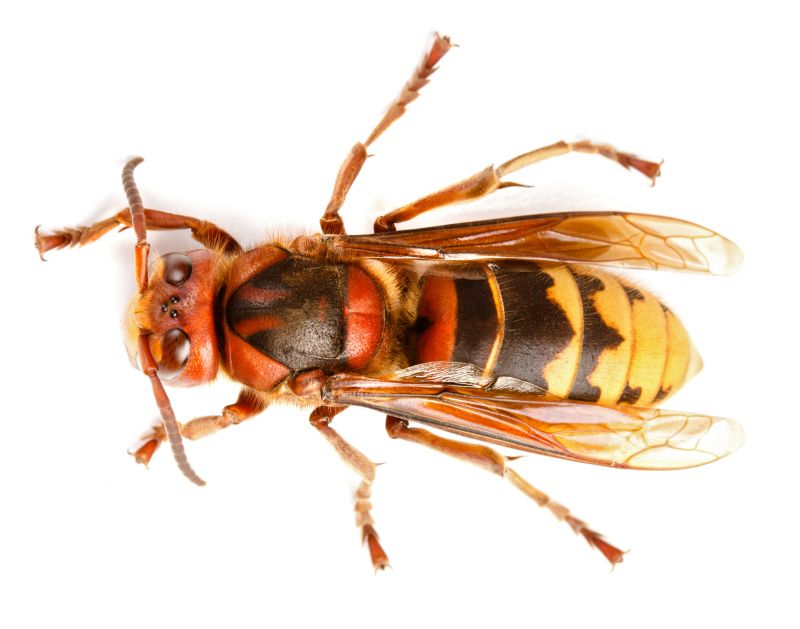
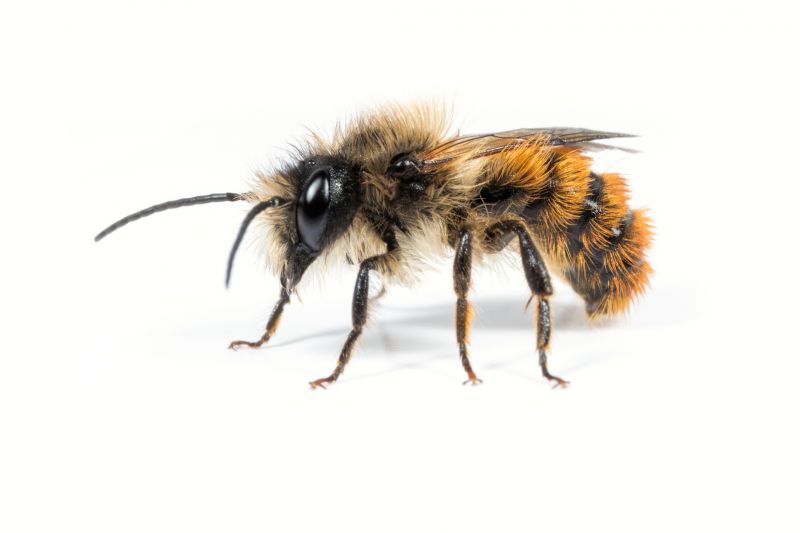
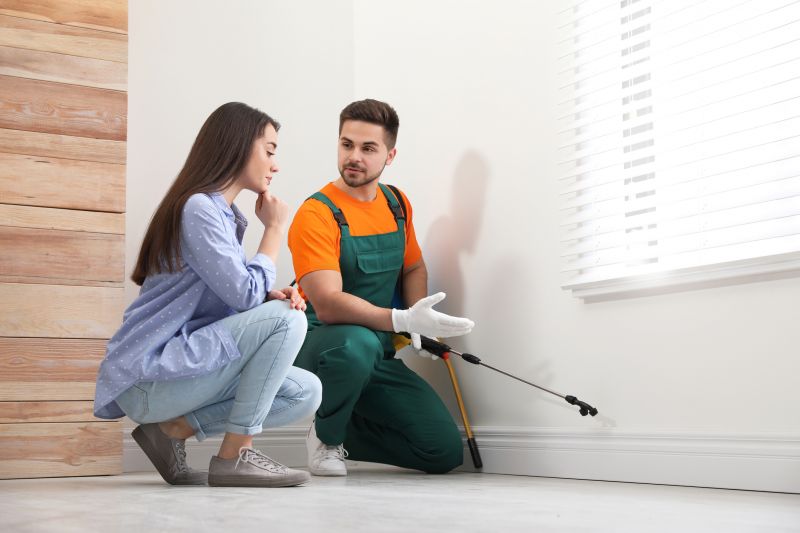
When people search for information about health risks associated with stinging insects on their property, they are often concerned about the potential dangers posed by insects such as wasps, hornets, and yellow jackets. These insects can build nests in or around homes, gardens, and other outdoor spaces, creating a risk of painful stings or allergic reactions. Homeowners may be seeking guidance on how these insects could impact their family’s safety, especially if someone in the household has a known allergy. Understanding these risks helps property owners make informed decisions about whether to address an existing nest or prevent future problems through professional pest control services.
This topic is closely related to plans for property maintenance, pest prevention, and safety measures. Many property owners consider removing or controlling stinging insect populations to protect children, pets, and themselves from painful stings or more serious health issues. In some cases, individuals may want to eliminate nests to make outdoor activities safer and more enjoyable. Recognizing the health risks associated with stinging insects on your property often leads to a search for local contractors who specialize in pest management. These service providers can assess the situation, recommend appropriate treatment options, and help reduce the danger posed by these insects.
The types of properties where health risks associated with stinging insects on your property are most common tend to be residential homes, especially those with yards, gardens, or trees that provide suitable nesting sites. Rural properties, farms, and properties with abundant vegetation or standing water can also attract these insects. Additionally, commercial properties with outdoor seating areas or landscaped grounds may experience increased insect activity. In all these settings, the presence of nests close to living or recreational spaces heightens the potential health risks, making professional intervention a practical step to ensure safety.
Local service providers who handle stinging insects pest control are equipped to address these health concerns effectively. They can identify active nests, determine the type of insect involved, and implement targeted removal or control strategies. Engaging these professionals not only helps eliminate existing nests but also reduces the likelihood of future infestations. For property owners, connecting with local contractors ensures that the health risks associated with stinging insects on their property are managed safely and efficiently, allowing for a safer outdoor environment for everyone.
Wildlife Removal Projects - These projects involve safely removing nests and habitats of stinging insects, which helps reduce health risks associated with stinging insects on your property.
Yard Cleanup and Debris Removal - Clearing yard debris and overgrown areas can prevent insects from establishing nests, lowering potential health risks linked to stinging insects.
Garden and Landscape Maintenance - Proper pruning and landscape management by local contractors can minimize hiding spots for stinging insects, reducing health hazards.
Pest Prevention Planning - Implementing preventative measures with local service providers can help keep stinging insect populations from forming near your home, decreasing health risks.
Structural Repairs and Sealing - Sealing entry points and repairing damaged structures can prevent insects from nesting indoors or around your property, mitigating health dangers.
Insect Habitat Assessment - Professionals can evaluate your property for potential stinging insect nesting sites, helping to identify and reduce health risks early on.
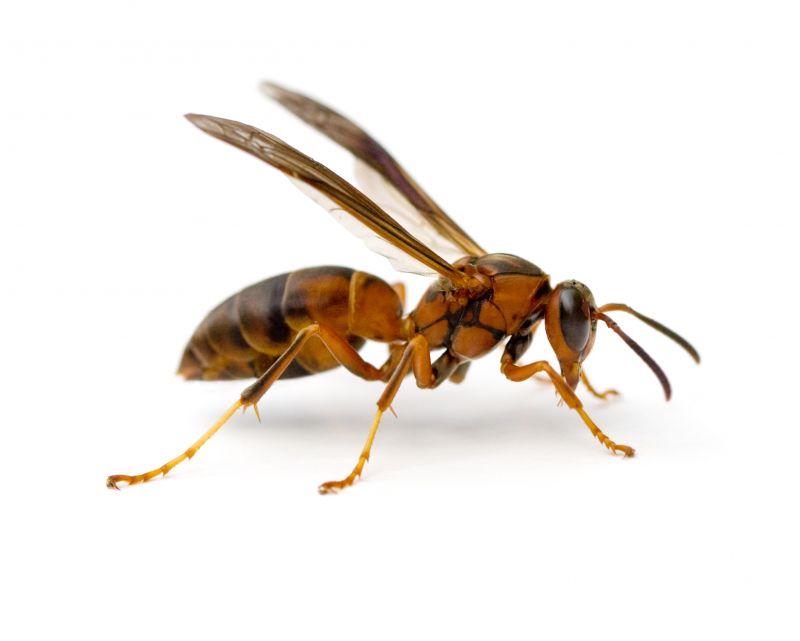
When evaluating local contractors for stinging insects pest control services, it’s important to consider their experience with similar projects. Homeowners should inquire about how long the service provider has been handling stinging insect issues and whether they have successfully managed cases involving health risks associated with stinging insects on properties similar to their own. An experienced contractor is more likely to understand the behaviors of different species, the best methods for removal, and how to safely address nests to reduce potential health hazards.
Clear, written expectations are essential for ensuring that both parties understand the scope of work and the safety measures involved. Homeowners should seek detailed information about the services offered, including what treatments will be used, the areas that will be addressed, and any precautions that need to be taken before and after the service. Having this information in writing can help prevent misunderstandings and ensure that the service provider’s approach aligns with the homeowner’s concerns about health risks associated with stinging insects on their property.
Reputable references and good communication are key factors when choosing a local contractor. Homeowners can ask for references or reviews from previous clients to gauge the quality of service and how effectively the contractor managed similar projects. Additionally, a service provider who communicates clearly and promptly can help homeowners feel confident in their choice, especially when addressing sensitive issues related to health risks. Open dialogue about concerns, expectations, and safety considerations can contribute to a smoother process and a more satisfactory outcome.
Property owners often search for health risks associated with stinging insects on your property when they are planning practical projects around their homes and businesses. Local pros provide Stinging Insects Pest Control services for everyday jobs and straightforward project options.
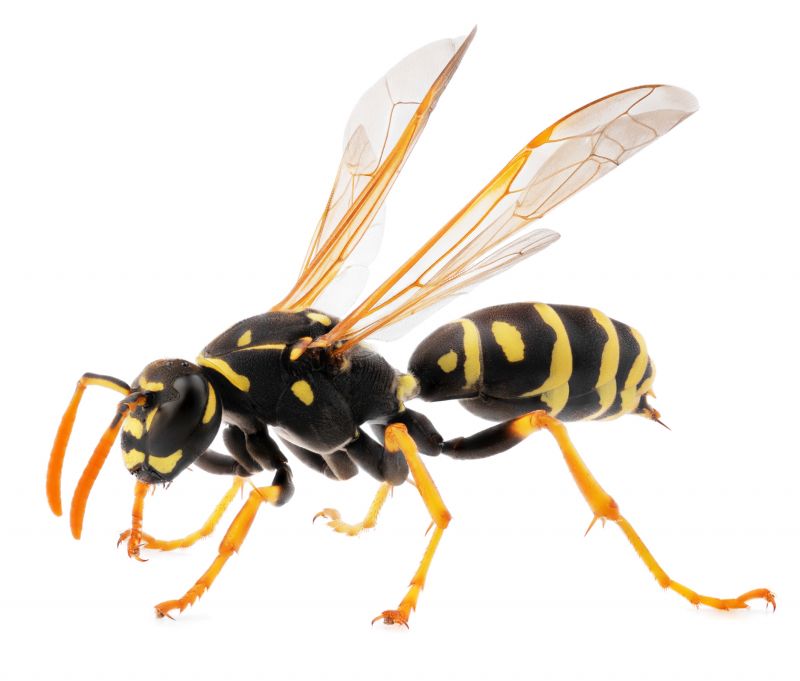
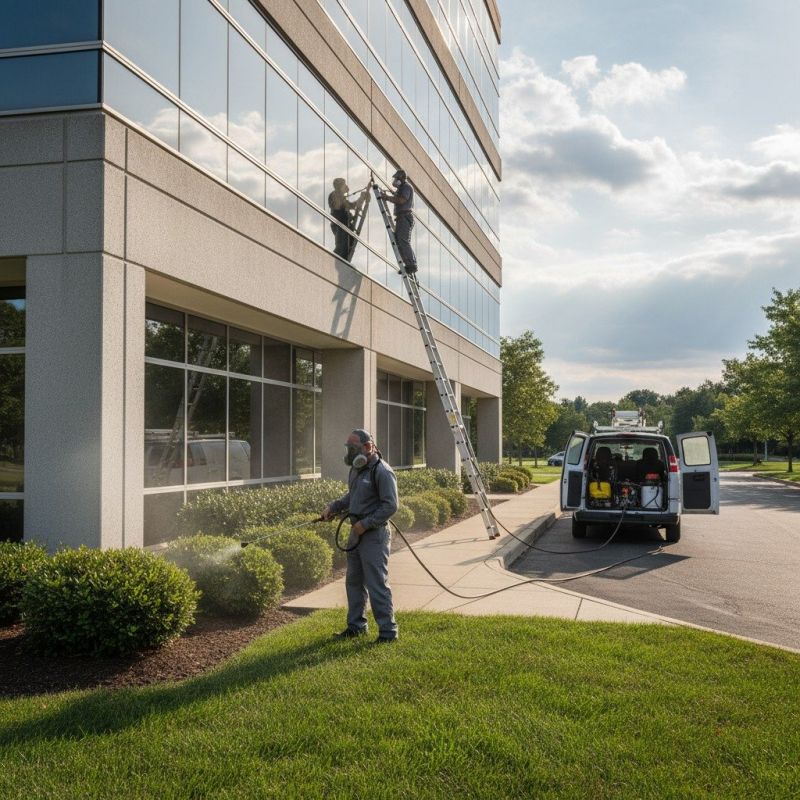
Stinging insects such as wasps, hornets, and yellowjackets often build nests around residential properties, especially in sheltered areas like eaves, shrubs, or ground burrows. For property owners engaged in routine outdoor projects-whether gardening, yard maintenance, or even simple cleanup-these insects can pose health risks associated with stings. Their aggressive defense of nests can lead to painful stings that may cause allergic reactions or, in rare cases, more serious health complications. Recognizing the presence of these insects early and taking steps to remove or manage their nests can help reduce the risk of accidental stings during everyday activities.
Many property owners seek out local contractors specializing in stinging insect pest control to address these concerns effectively. Professional services can safely eliminate nests and implement preventative measures, helping to minimize health risks associated with stinging insects on your property. Engaging experienced service providers ensures that outdoor spaces remain safer for daily use, reducing the likelihood of unexpected stings during routine projects or outdoor enjoyment.
What health risks are associated with stinging insects on my property? Stinging insects can cause allergic reactions, painful stings, and in some cases, more serious health issues such as anaphylaxis. Local contractors can help reduce these risks by removing nests and controlling insect populations around your property.
Why is it important to address stinging insect nests promptly? Prompt removal of nests can prevent stings and reduce the chance of allergic reactions, especially for individuals sensitive to insect venom. Professional pest control services can safely and effectively handle nest removal to minimize health hazards.
Can stinging insects pose a threat to children or pets? Yes, children and pets are more vulnerable to stings and allergic reactions. Local service providers can assess and treat areas where stinging insects may pose a risk, helping to keep your family and pets safe.
What symptoms might indicate a dangerous allergic reaction to stings? Symptoms include swelling, difficulty breathing, dizziness, or hives. If these occur, contacting a pest control professional for removal and seeking medical attention is recommended to manage health risks.
How can pest control services help prevent health issues related to stinging insects? Local contractors can identify and eliminate nesting sites, reduce insect populations, and create safer outdoor environments to lower the chances of stings and associated health risks.
Identify nesting sites - property owners can survey their yard to locate potential nests and consider professional removal to reduce health risks associated with stinging insects on your property.
Remove food sources - eliminating accessible food and sugary drinks around the property can discourage stinging insects from establishing colonies near living areas, with help from local contractors.
Seal entry points - sealing gaps and cracks in walls, eaves, and fences helps prevent stinging insects from entering structures, minimizing the chance of stings and related health risks.
Schedule regular inspections - partnering with local service providers for routine pest checks can catch early signs of nests and help manage health risks associated with stinging insects on your property.
If you are thinking about health risks associated with stinging insects on your property for a property, this guide is meant to help you understand this topic, the typical project types, and how different options might fit your plans.
When you are ready, you can use the quote form on this page to share a few details about your project. From there, local pros can review the basics and follow up with options that match what you have in mind.